You've probably Googled "MT5 white label" forty times already. And you're still confused. Every vendor pitches something different, pricing is deliberately opaque, and nobody will give you a straight answer about what you actually need.
The core decision — white label versus full license — is genuinely consequential. It's not just a budget question. It's a question about what kind of business you're building.
How fast you want to grow matters just as much. So does how much operational pain you're willing to absorb in the early years. Getting it wrong means you're either hemorrhaging money on infrastructure you don't need or boxed in by someone else's rules exactly when you're trying to scale.
What You're Actually Choosing Between
A full MT5 license means going directly to MetaQuotes — the company that built the platform — and licensing the software outright. You run your own servers. You own your entire technical stack. The upfront cost is substantial. We're talking somewhere around $100,000 just for the license, before server costs, IT staff, or the headaches that come with operating complex financial software at scale.
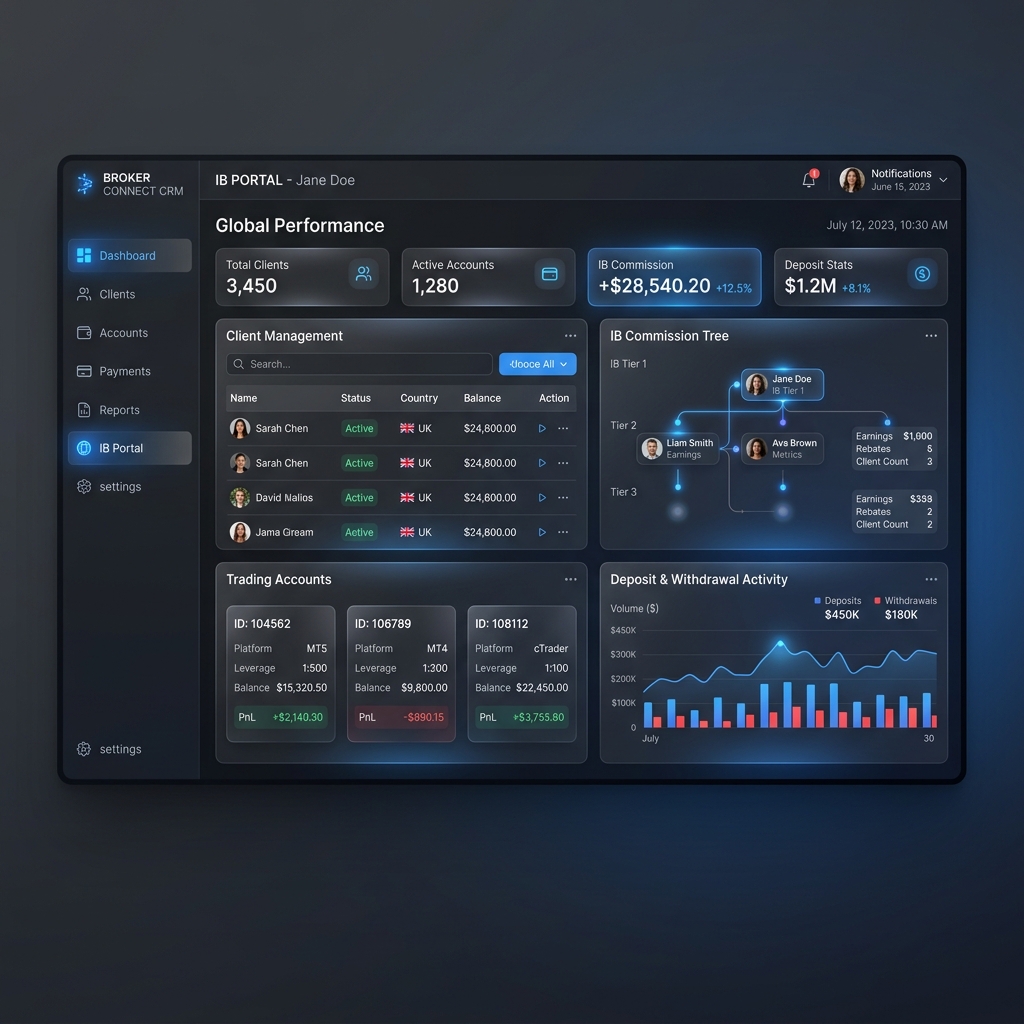
A white label is different. You're renting access to someone else's MT5 infrastructure — usually an established broker or technology provider who already holds the full license. They handle the server management, updates, and technical compliance. You get a branded version of the platform that looks like yours. Monthly fees typically range from $1,000 to $5,000, depending on the provider and what's bundled. You're operational far faster.
That's the clean version. Here's where it fractures.
The Case for White Label (Is Stronger Than People Admit)
Most new brokerages should start with a white label. Full stop. Blowing six figures on a full license before you've proven your model, assembled your client base, or even identified your niche is genuinely bad business — not cautious, not strategic, just bad.
Think about the last time you watched a well-funded startup collapse under its own infrastructure weight. Twelve engineers managing servers, nobody left to talk to customers, and a product nobody wanted anyway. Year one of a brokerage can go exactly that way.
You're acquiring clients — expensive, slow. You're building compliance infrastructure. You're vetting liquidity providers, payment processors, and customer service operations. Adding "also manage complex server infrastructure" to that pile isn't ambitious. It's reckless.
FTMO is one of the larger prop trading firms. They have somewhere north of 100,000 funded traders on their books. They didn't launch by owning every layer of their technical stack. They validated their model first.
The white label path also tests something worth examining: does your brokerage concept actually work? Your edge might be customer service, educational content, or a particular niche market — not the infrastructure humming underneath.
But White Labels Have Real Costs Nobody Talks About
Here's what vendors will never lead with. You are dependent. Deeply, structurally dependent on your provider.
Their uptime is your uptime. Their fee structure is yours until they decide to change it — and they can. They have full visibility into your client volumes, trading activity, and revenue. Depending on what your contract actually says, the data ownership questions get genuinely murky...
The Conflict of Interest RiskIn some arrangements, your provider is also a competing broker. You're paying your competition to run your infrastructure. I've spoken with brokerage operators who discovered that their white-label provider was using aggregated client data to improve its own trading operations. Auditing this on Day 1 is critical.
When Does a Full License Actually Make Sense?
When you've got volume, that's the answer.
The math flips somewhere around the point where your monthly white-label fees — $2,000, $3,000, whatever — plus the dependency costs and operational friction start to look worse than the amortized cost of owning your infrastructure outright. That crossover varies by brokerage.
Beyond economics, customization is a genuine pull. A full license lets you modify the platform at a deeper level — proprietary tools, unique data feeds, features your competitors literally cannot replicate.
Regulatory requirements can force the issue, too. Certain Tier 1 jurisdictions — FCA and ASIC — impose data residency and audit trail requirements. These are genuinely difficult to satisfy when you're running on someone else's servers.
The Hybrid Path Nobody Discusses Enough
There's a middle route brokerages are using more aggressively: start white label, negotiate hard on contract terms, build your client base, then migrate to a full license when the economics demand it.
You need to choose your initial white-label provider with the eventual migration already in mind. Some providers make client data and account history portability relatively painless — others, intentionally or not, create significant friction.
Your client database is your most valuable asset. What does the contract say about data export? How portable is it?
The Questions That Actually Determine Your Path
- What's your launch capital? With $500k or more and an experienced team, a full license is worth modeling. Launching lean under $200k total? White label is almost certainly the answer.
- What's your timeline? White label gets you operational in weeks. Full license setup — server procurement, installation, configuration, testing — realistically takes months.
- What's your technical team situation? Running your own MT5 infrastructure requires people who specifically understand financial platform operations — not general IT staff.
- What's your long-term differentiation? Competing on execution speed means technical infrastructure matters. Competing on service quality means how you serve clients matters far more.
The Actual Answer
Pre-launch or within your first two years, should you own your infrastructure, without a specific technical reason? Start white label. Negotiate hard — especially on data portability, competitive use of your data, and exit terms. Build the business, validate the model, grow the volume.
The worst outcome isn't choosing the wrong option between these two. The worst outcome is burning so much time, money, and cognitive energy on the infrastructure question that you lose focus on the actual business.
Your clients don't care whether you hold a full MetaQuotes license. They care whether your spreads are competitive, your execution is fast, your platform is stable, and your customer service picks up the phone.
Build that first.